Partner Training Can Boost Energy, Accountability, and Results
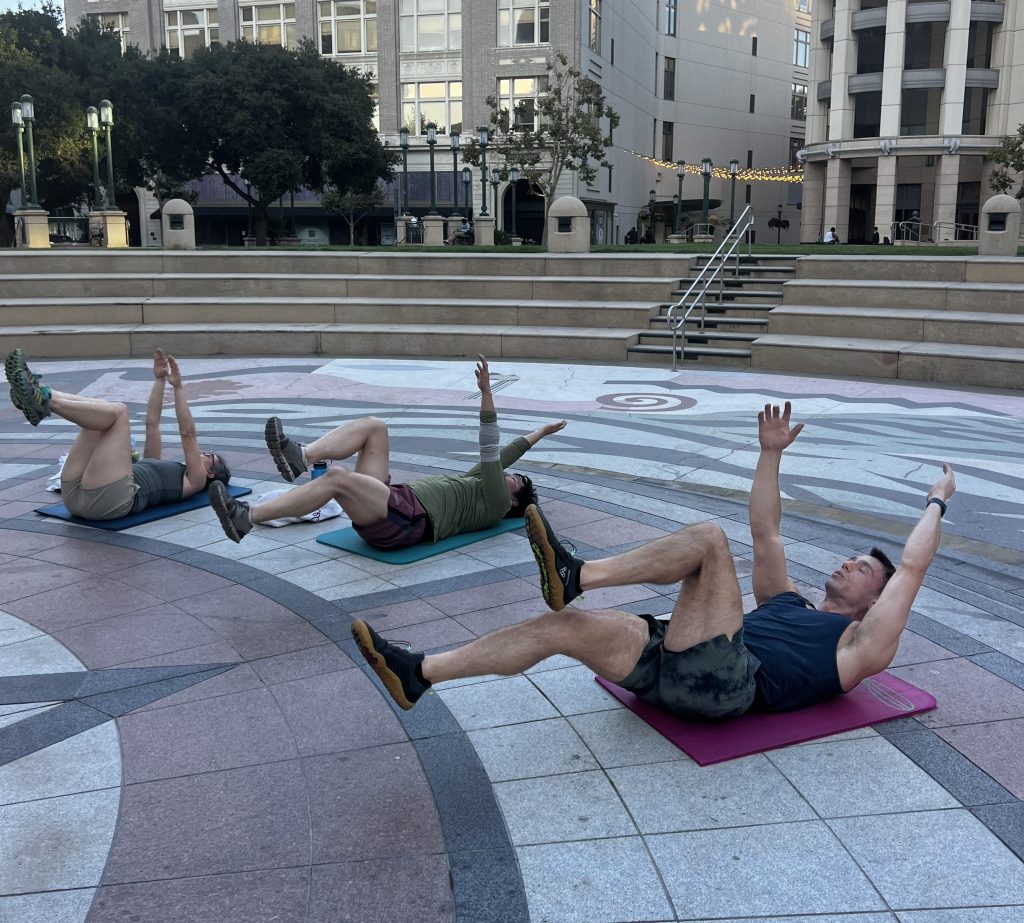
For many people, one of the hardest parts of building a consistent fitness routine isn’t knowing what to do — it’s simply showing up and staying motivated week after week.
Life gets busy. Energy fluctuates. Schedules change. Even with the best intentions, training alone can sometimes feel isolating or easier to skip.
This is one reason partner training has become an increasingly popular option. Training alongside a friend, partner, family member, or coworker can transform the entire experience of working out. What might feel like a solo obligation can quickly become something social, energizing, and much easier to maintain over the long term.
At Nu Fitness Oakland, we’ve seen firsthand how powerful the partner training dynamic can be — not just for enjoyment, but for consistency and measurable progress.
Built-In Accountability Makes Consistency Easier
One of the biggest predictors of fitness success is simple: consistency over time.
When you train alone, it’s often easier to negotiate with yourself. A busy day, low motivation, or fatigue can quickly turn into a missed workout. Over time, these missed sessions add up.
Partner training changes this equation.
When someone else is counting on you to show up, it creates a sense of responsibility that helps you follow through. Even on days when motivation is low, the commitment to your training partner can be enough to get you through the door.
This subtle psychological shift can have a huge impact on long-term adherence.
Consistency becomes less about willpower and more about shared commitment.
Energy Is Contagious
Another powerful benefit of partner training is the energy it creates during workouts.
Training alongside someone else often increases effort naturally. You may push for one more repetition, move with slightly more focus, or maintain a stronger pace simply because someone else is right there with you.
There’s also an element of positive reinforcement. Celebrating milestones together — whether that’s lifting heavier, improving endurance, or moving pain-free — makes progress feel more meaningful.
Workouts can feel less like a task and more like an experience.
This shift in perception matters. When training feels engaging and enjoyable, people are far more likely to keep doing it.
Social Connection Supports Mental Health and Motivation
Fitness is not just a physical pursuit. It is also deeply connected to emotional wellbeing and social connection.
Partner training provides a space to connect, decompress, and share experiences. Many clients find that sessions become a reliable anchor in their week — a time to move, reset mentally, and spend time with someone they enjoy.
This social dimension can reduce stress, improve mood, and make training something to look forward to rather than something to check off a list.
Over time, this positive association helps reinforce the habit of regular movement.
Personalized Coaching Still Drives Progress
A common misconception is that partner training means sacrificing individual attention or results. In reality, effective partner sessions are still highly structured and personalized.
With expert coaching guiding both participants, programs can be adjusted to match each person’s goals, fitness level, and movement needs. Exercises can be modified or progressed independently while maintaining the shared training environment.
This allows partners to train together while still building strength, improving mobility, and developing capacity in ways that are appropriate for their bodies.
Partner training is not just exercising side by side.
It is purposeful training delivered in a collaborative setting.
Friendly Competition and Shared Wins
For some individuals, a bit of friendly competition adds an extra layer of motivation. Seeing a partner make progress can inspire you to stay focused on your own development.
At the same time, partner training fosters teamwork. Many exercises can be structured in ways that encourage alternating sets, shared challenges, or cooperative goals. This dynamic helps maintain engagement and keeps sessions feeling fresh.
The result is often higher quality effort combined with a more enjoyable experience.
A Sustainable Approach to Fitness
Ultimately, the most effective fitness routine is the one you can maintain.
Partner training helps remove some of the biggest barriers people face: lack of motivation, inconsistent attendance, and workouts that feel repetitive or isolating. By introducing accountability, energy, and connection, it creates an environment where consistency becomes more natural.
Over weeks and months, that consistency translates into real physical progress — improved strength, better endurance, enhanced movement quality, and greater confidence.
Training becomes something you share, rather than something you have to push yourself to do alone.
Training for the Long Run
Fitness is not just about short bursts of effort. It is about building habits and systems that support long-term health and performance.
Partner training offers a powerful way to make that process more engaging and sustainable. Whether you’re training with a spouse, friend, sibling, or colleague, the shared experience can help turn challenging workouts into meaningful, energizing moments in your week.
When accountability, energy, and expert guidance come together, progress tends to follow.
Sometimes the best way to move forward is simply to not do it alone.

 Nu Fitness Oakland Blog